Windshield Planning Intensive
See it earlier. Decide earlier. Act earlier.
You’re the only one looking ahead.
Get your whole leadership team looking ahead with you.
Your leadership team is good at looking backward.
Everyone knows what happened last month, but nobody’s responsible for what’s coming next.
The market shifts, the cost trends, the customer signals that should be impacting decisions before those decisions even get made. Many planning processes don’t solve this.
You don’t need another strategic plan. You need a forward‑looking discipline that becomes part of how your team actually operates. But identifying the right forces to watch, creating decision thresholds, and getting a busy leadership team to adopt a new rhythm is where many companies get stuck.
You already know what to watch.Getting your team to watch it every month is the hard part.
The Windshield Planning Intensive
Install the discipline inside your team.
The Windshield Planning Intensive is a forward‑looking discipline built into how your leadership team works.
Together with Pat, you’ll identify the six to eight forces most likely to change what’s ahead and establish clear decision thresholds before taking action. No debating, just decisions.
Pat then builds a monthly meeting around that process and works alongside your team until they can do it on their own.
Getting a new discipline to stick inside a busy leadership team is its own skill. Your leaders are consumed with operating the business, and anything new loses to competing priorities before it becomes habit. Pat has carried teams through that stretch inside real companies. He knows what gets in the way, and he stays until the monthly meeting stops being one more thing on the calendar and becomes how your team operates.
The result is a planning discipline that becomes part of how your leadership team works every month, the rhythm that keeps your team looking ahead.
One foot in the present. One foot in the future.
Three Phases. Each One Builds on the Last.
Phase 1
Calibrate
Pat begins by identifying the six to eight forces you should be watching most closely. Revenue concentration? Customer behavior shifts? Competitive movement in your fastest‑growing segment?
The answer is different for every company. He then looks at the specific trends inside each force. The ones that, if they shifted, would change a decision you’re about to make.
This is the work many leaders can’t do alone, and it’s where Pat’s experience inside real companies matters most.
Phase 2
Install
Pat sets the decision thresholds with your team. Not aspirational targets. Pre‑decided actions so nobody’s debating what to do when conditions change.
He then leads the first forward‑looking planning meeting with your leadership team. Not a training exercise. A real meeting built around your business, your numbers, and the forces shaping what’s ahead.
Your team sees what it looks like when the conversation shifts from ‘what happened last quarter’ to ‘what’s coming next and what can we do about it.’
Phase 3
Transfer
Pat stays alongside your team through the first few monthly cycles, working through real situations as they come up and sharpening the team’s thresholds as they learn what’s noise and what matters.
The goal is a team that leads the monthly meeting on its own.
Pat scopes the engagement based on what your business needs.
The pace depends on your organization.
Pat steps back as your team takes over.
Inside the Windshield Planning Intensive
The process starts with identifying what matters, then moves into building the rhythm inside your team, and finally ends when your team owns it.
What You Walk Away With
Here’s what that looks like.
- The forces most likely to impact your business, identified and calibrated for your specific situation.
- Trends identified and measured inside each force, connected to decisions your team actually makes.
- Decision thresholds set with your leadership team. Pre‑decided actions that fire when conditions change.
- A monthly forward‑looking planning meeting where your team tracks what’s coming instead of reviewing what already happened.
- The result? A team that owns the process.
A Real‑World Example
A $25M IT managed services company with a six‑person leadership team. They’ve grown 35% in three years, but one healthcare client now represents 40% of revenue.
Every leadership meeting revolves around last month’s numbers and nobody owns what’s coming next. The CEO can see the gap.
$25M
IT managed services
6
Person leadership team
35%
Growth in three years
40%
Of revenue, one client
Phase 1
Calibrate
Pat sits down with the CEO and identifies the forces most likely to change the future of the business.
Their biggest client’s contract comes up for renewal in nine months, but no one’s started the conversation. Three senior engineers have been approached by recruiters. A national competitor has entered the market quoting 20% below their rates. And cloud migration, their fastest‑growing service line, is being handled on the side by people already stretched thin.
Together, they define the trends to watch and attach numbers to them.
Phase 2
Install
Pat brings the process to the leadership team. Together, they decide what actions get triggered when the numbers change.
- If the healthcare client hasn’t scheduled a renewal meeting by month six, the account team starts the conversation and activates a list of qualified prospects.
- If engineer turnover spikes, the recruiting pipeline gets accelerated.
- If cloud migration continues to grow, a dedicated team gets formed.
Pre‑decided. No debating in the moment.
Pat leads the first forward‑looking meeting. Problems get surfaced while there’s still time to do something about them. Response times have crept from two hours to six, the team has lost two renewals and never flagged them, and one senior engineer admits that 60% of their cloud migration work is concentrated in a single person.
Instead of spending an hour explaining the past, the team spends an hour preparing for what’s ahead.
Phase 3
Transfer
Pat stays with the team through the next several monthly meetings. He keeps the conversation focused on what’s coming, pushes leaders to act on the thresholds they’ve established, and catches the moments when the discussion starts drifting back into reviewing the past.
As the team builds the habit, Pat steps back. By the second meeting, leaders are bringing forward trends and risks on their own. By the third, Pat is observing more than facilitating.
The CEO no longer has to hold the process together. The team is tracking the forces, surfacing the risks, and making the calls without waiting for the CEO to tell them what to worry about.
Ready to get the process working inside your team?
Pat will tell you exactly what the work looks like and what it costs.
Let’s Talk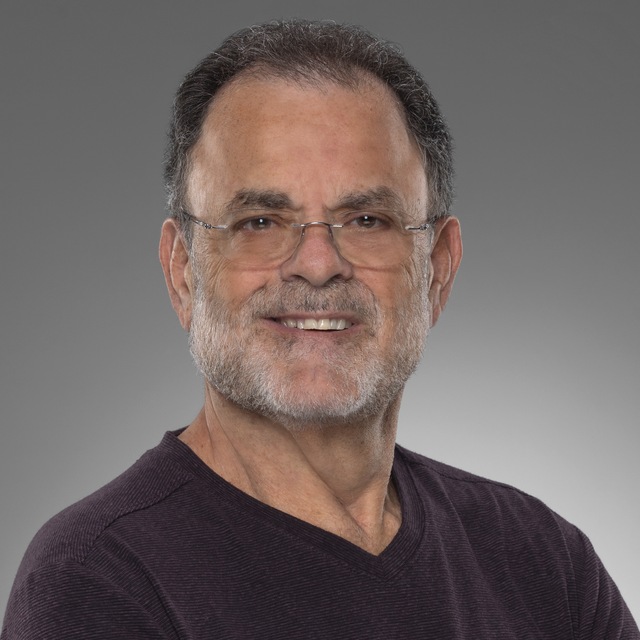
Who’s behind this?
Pat Alacqua has spent decades inside growth‑stage businesses, building planning and execution systems for companies navigating uncertainty. Everything in the Intensive comes from that work, from being inside businesses like yours while they were going through it.
“Whenever I have a big challenge ahead in my business, I call Pat for help in guiding me through it. As an entrepreneur, having access to someone who understands and has experienced how to overcome the issues that arise in scaling a business is invaluable to my success.”
“Pat Alacqua and his Entrepreneur to Enterprise Pathway are among the best at facilitating meaningful change. Pat is unmatched in startup operations, from conception and planning to anticipating every detail through implementation. I highly recommend him across all business types and industries.”
Who This Is For
- This is for leaders who see the gap in their planning and want it fixed correctly the first time.
- Who know simply handing their team a tool and hoping they adopt it won’t work.
- Who want someone who’s done this inside real companies and can come in, calibrate it for your business, and get your team doing it.
This is for leaders who know exactly what needs to change and want it done right.
Common Questions
What’s the investment?
The Intensive is scoped to your team, so the investment depends on the number of leaders involved and the work required. The best next step is a conversation. Pat will tell you exactly what the work looks like and what it costs.
How long does the Intensive take?
Identifying the forces your team should be watching happens quickly. Getting the monthly rhythm to stick inside your leadership team takes longer. Pat scopes the work based on where your team is today. Many teams own the meeting within the first three monthly cycles.
How is this different from the Windshield Planning Masterclass?
The Masterclass teaches you the discipline, built around the Critical Planning Assumptions tool. The Intensive installs that same tool and the monthly meeting inside your leadership team. Learning the discipline and getting a busy team to adopt it are two different skills. Pat calibrates the tool to your business, works through the competing priorities that stall a new process, and stays until the meeting is habit and your team owns it.
If learning the system yourself first is the right step, the Windshield Planning Masterclass is where to start.
How is this different from Growth Pathfinder?
The Intensive installs one discipline inside your leadership team. Seeing the trends that will impact your business earlier, deciding in advance what you’ll do about them, and knowing exactly when to act. Growth Pathfinder builds the foundation underneath the whole business. The full planning and execution systems, the role clarity and decision rights behind them, and the way of thinking that carries those systems past the leadership team into the deeper levels of your organization. If forward‑looking planning is the gap, the Intensive fits. If the organizational development foundation needs building, Growth Pathfinder is the right conversation.
How much of my time does this require?
Pat leads the process. Your role is to help identify what matters and participate in the leadership meetings. Meetings are 60 to 90 minutes and fit inside your existing operating rhythm.
Does my leadership team need to be involved?
Yes. The process lives inside the leadership team, so they need to be part of it. Pat works with you first, then brings the process to the team.
What if we’ve already started building this on our own?
Good. That gives Pat a starting point. He’ll review what you’ve built, close the gaps, and help the process stick. Where many teams get stuck is implementation and keeping the rhythm alive.
WHAT LEADERS SAY
“Pat Alacqua and his Entrepreneur to Enterprise Pathway are among the best at facilitating meaningful change. Pat is unmatched in startup operations, from conception and planning to anticipating every detail through implementation. I highly recommend him across all business types and industries.”
“Pat knows how to create a plan, work the plan, and get results. His ability to see the finish line before you do, and guide you there, is unmatched.”
Meet Pat
I started a company at 24 and built it into an internationally recognized brand. When it sold, the systems already in place kept running the business. They still are, decades later. Built to last. Built to scale at every next level of growth.
I then turned around a company that was losing money with no plan to stop it. Built the management systems and built the leadership team to run the company on its own. Build the systems and build the people, and the business stops depending on one person to hold it together.
I’ve been working with CEOs and founders ever since, helping them navigate the same transitions I faced from my own companies. Different industries, different companies, same growth problems underneath. Enough to know what’s breaking and why. Usually before the leader in the middle of it can identify it.
That’s the short version.
Get the full storyThe next step? A conversation.
Pat will tell you exactly what the work looks like and what it costs.
Let’s start looking forward.